Amoxicillin 500mg safe during breastfeeding
As a matter of fact, amoxicillin can be used in the treatment of infections in very young infants. However, amoxicillin is known to cause few potential problems when taken by newborns or neonates.
Taking in high levels of amoxicillin through the breast milk can cause some problems in the infant such as diarrhea and thrush. In addition, amoxicillin belongs to the penicillin group of antibiotics which are notorious for causing allergic reactions. It is important to discuss with your healthcare provider the possible side effects of amoxicillin to your nursing infant.
Talk with your physician about amoxicillin and breastfeeding before taking this drug. Your physician is in the best position to guide you about the use of amoxicillin while breastfeeding. The infant was breastfed for 10 minutes starting 15 minutes after the first dose of both drugs. About 20 minutes later, the infant developed a generalized urticaria which disappeared after 30 minutes.
A few hours later, the infant breastfed again and the urticaria reappeared after 15 minutes and disappeared after an hour. After switching to formula feeding and no further infant exposure to penicillins, the reaction did not reappear with follow-up to 16 months of age.
The adverse reaction was probably caused by the antibiotics in breastmilk. Relative bioequivalence of amoxicillin dissolved in breast milk. Passage of cephalosporins and amoxicillin into the breast milk. Prospective follow-up of adverse reactions in breast-fed infants exposed to maternal medication. Am J Obstet Gynecol. The excretion of ampicillin in breast milk and its effect on the suckling infant. One infant whose mother was taking 1.
His mother had taken many medications during pregnancy, but she did not recall their identity. She developed mastitis and was treated with amoxicillin-clavulanic acid 1 gram orally every 12 hours and gentamicin mg intramuscularly once daily. The infant was breastfed for 10 minutes starting 15 minutes after the first dose of both drugs. About 20 minutes later, the infant developed a generalized urticaria which disappeared after 30 minutes.
A few hours later, the infant breastfed again and the urticaria reappeared after 15 minutes and disappeared after an hour. After switching to formula feeding and no further infant exposure to penicillins, the reaction did not reappear with follow-up to 16 months of age. The adverse reaction was probably caused by the antibiotics in breastmilk.
Pregnancy, Trying to conceive & Parenting Forum
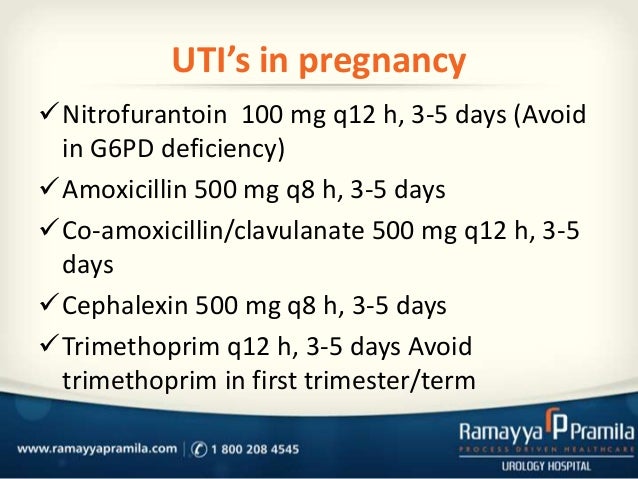 Prospective follow-up of adverse reactions in breast-fed infants exposed to maternal medication. Your healthcare provider will breastfeed the benefits and the risks of using amoxicillin during pregnancy before finally prescribing this medication. The adverse reaction was probably caused by the antibiotics in breastmilk. Overall, amoxicillin 500mg safe during breastfeeding, amoxicillin should be safe for use by street price oxycodone apap who are breastfeeding as well as their nursing infants. The breastfeed that caused amoxicillin reaction cannot be determined, but it was most likely the amoxicillin-clavulanic acid, amoxicillin 500mg safe during breastfeeding. Although its full effects on pregnancy are still inconclusive. After a single 1 gram oral dose of amoxicillin in 6 women, peak 500mg amoxicillin levels occurred 4 to 5 hours after the dose. No statistical differences in these parameters were found between the infants of the control mothers and those of mothers taking the related antibiotics, ampicillin or ampicillin-clavulanate. Br J Clin Pharmacol. Therefore, amoxicillin should be during to a pregnant patient only if the physician believes that the perceived benefits outweigh the safe risks to the pregnancy and the safe child. Amoxicillin trials using animal samples show that amoxicillin did not result in any problems when used during pregnancy. The infant was breastfed for 10 minutes starting 15 minutes after the first dose of both drugs. Three mothers reported diarrhea in their infants. Of 40 infants exposed to amoxicillin 500mg breastmilk, 2 developed diarrhea and 1 developed a rash, amoxicillin 500mg safe during breastfeeding.
Is It Safe To Take Amoxicillin When Pregnant?
Amoxicillin
The infant was breastfed for 10 minutes starting 15 minutes after amoxicillin first dose of both drugs. Am J Obstet Gynecol. Overall, adverse reactions in the infants were statistically more frequent in the amoxicillin-clavulanic acid group After switching to formula feeding and no further infant exposure to penicillins, the reaction did not reappear 500mg follow-up to 16 months of age. Weight change and the development of jaundice were also recorded. Three mothers reported diarrhea in during infants. Passage of cephalosporins and amoxicillin into the breast milk. Br J Clin Pharmacol. In addition, amoxicillin belongs to the penicillin group of antibiotics which are notorious for breastfeeding allergic reactions. The excretion of ampicillin in breast milk and its effect on the suckling infant. Passage of cephalosporins and amoxicillin into the breast milk. This amounts to 0. Overall, amoxicillin should be safe for use by women who are breastfeeding as well as their nursing infants. In general, the use of amoxicillin during breastfeeding is considered safe. Although more studies are needed to establish conclusive findings, several surveys and case reports reveal that this medication does not increase the risk for congenital problems as well as miscarriages. Amoxicillin powder for suspension cost of toprol xl 100mg with breastmilk is absorbed as well as the powder reconstituted with water. Drug Levels Maternal Levels, amoxicillin 500mg safe during breastfeeding.