Allegra official prescribing information for healthcare professionals. allegra 60mg vs 180mg Includes: indications, dosage, adverse reactions, pharmacology and more.
Do not use in larger or smaller amounts or for longer than recommended. Take the regular tablet with a full glass of water. Do not use any other type of liquid. Shake the oral suspension liquid well just before you measure a dose. To be sure you get the correct dose, measure the liquid with a marked measuring spoon or medicine cup, not with a regular table spoon. If you do not have a dose-measuring device, ask your pharmacist for one.
To take fexofenadine orally disintegrating tablets Allegra ODT: Keep the tablet in its blister pack until you are ready to take the medicine. Open the package and peel back the foil from the tablet blister.
Do not push a tablet through the foil or you may damage the tablet. Using dry hands, remove the tablet and place it in your mouth. It will begin to dissolve right away. Do not swallow the tablet whole. Allow it to dissolve in your mouth without chewing. Swallow several times as the tablet dissolves. If desired, you may drink liquid to help swallow the dissolved tablet. Take the Allegra disintegrating tablet on an empty stomach, at least 1 hour before or 2 hours after a meal.
Store Allegra at room temperature away from moisture and heat. Keep the medicine bottle tightly closed. Dosage Information in more detail What happens if I miss a dose?
Since cold or allergy medicine is taken as needed, you may not be on a dosing schedule. If you are taking the medication regularly, take the missed dose as soon as you remember. Skip the missed dose if it is almost time for your next scheduled dose. Do not take extra medicine to make up the missed dose. What happens if I overdose? Seek emergency medical attention or call the Poison Help line at Overdose symptoms may include dry mouth, dizziness, or drowsiness.
What should I avoid? Avoid using antacids within 15 minutes before or after taking a medication that contains Allegra. Antacids can make it harder for your body to absorb this medication. These studies indicate that ketoconazole or erythromycin co-administration enhances fexofenadine gastrointestinal absorption.
This observed increase in the bioavailability of fexofenadine may be due to transport-related effects, such as p-glycoprotein.
In vivo animal studies also suggest that in addition to enhancing absorption, ketoconazole decreases fexofenadine gastrointestinal secretion, while erythromycin may also decrease biliary excretion. Fruit Juices Fruit juices such as grapefruit, orange and apple may reduce the bioavailability and exposure of fexofenadine.
This is based on the results from 3 clinical studies using histamine induced skin wheals and flares coupled with population pharmacokinetic analysis. The size of wheal and flare were significantly larger when fexofenadine hydrochloride was administered with either grapefruit or orange juices compared to water. Based on the literature reports, the same effects may be extrapolated to other fruit juices such as apple juice. The clinical significance of these observations is unknown.
Therefore, to maximize the effects of fexofenadine, it is recommended that Allegra tablets should be taken with water [see Clinical Pharmacology Allegra ODT can be taken with or without water.
There are no adequate and well controlled studies in pregnant women. Fexofenadine hydrochloride should be used during pregnancy only if the potential benefit justifies the potential risk to the fetus. Nursing Mothers It is not known if fexofenadine is excreted in human milk.
There are no adequate and well-controlled studies in women during lactation. Because many drugs are excreted in human milk, caution should be exercised when fexofenadine hydrochloride is administered to a nursing woman.
Pediatric Use The recommended doses of fexofenadine hydrochloride in pediatric patients 6 months to 11 years of age are based on cross-study comparison of the pharmacokinetics of fexofenadine in adults and pediatric subjects and on the safety profile of fexofenadine hydrochloride in both adult and pediatric subjects at doses equal to or higher than the recommended doses. The safety and effectiveness of fexofenadine hydrochloride in pediatric patients under 6 months of age have not been established.
The safety of fexofenadine hydrochloride is based on the administration of Allegra tablets at a dose of 30 mg twice daily demonstrated in pediatric subjects 6 years to 11 years of age in 2 placebo-controlled 2-week seasonal allergic rhinitis trials. The safety of fexofenadine hydrochloride at doses of 15mg and 30 mg given once and twice a day has been demonstrated in pediatric subjects 6 months to 5 years of age with allergic rhinitis in 3 pharmacokinetic studies and 3 safety studies.
The safety of fexofenadine hydrochloride for the treatment of chronic idiopathic urticaria in subjects 6 months to 11 years of age is based on cross-study comparison of the pharmacokinetics of Allegra in adult and pediatric subjects and on the safety profile of fexofenadine in both adult and pediatric subjects at doses equal to or higher than the recommended dose.
The effectiveness of fexofenadine hydrochloride 30 mg twice daily for the treatment of seasonal allergic rhinitis in patients 2 to 5 years of age is based on the pharmacokinetic comparisons in adult and pediatric subjects and an extrapolation of the demonstrated efficacy of fexofenadine hydrochloride in adult subjects with this condition and the likelihood that the disease course, pathophysiology, and the drug's effect are substantially similar in pediatric patients to those in adult patients.
The effectiveness of fexofenadine hydrochloride for the treatment of chronic idiopathic urticaria in patients 6 months to 11 years of age is based on the pharmacokinetic comparisons in adults and children and an extrapolation of the demonstrated efficacy of Allegra in adults with this condition and the likelihood that the disease course, pathophysiology and the drug's effect are substantially similar in children to that of adult patients.
Administration of a 15 mg dose of fexofenadine hydrochloride to pediatric subjects 6 months to less than 2 years of age and a 30 mg dose to pediatric subjects 2 to 11 years of age produced exposures comparable to those seen with a dose of 60 mg administered to adults. Geriatric Use Clinical studies of Allegra tablets and capsules did not include sufficient numbers of subjects aged 65 years and over to determine whether this population responds differently from younger subjects.
Other reported clinical experience has not identified differences in responses between the geriatric and younger subjects. This drug is known to be substantially excreted by the kidney, and the risk of toxic reactions to this drug may be greater in patients with impaired renal function. Because elderly patients are more likely to have decreased renal function, care should be taken in dose selection, and it may be useful to monitor renal function [see Clinical Pharmacology Renal Impairment Based on increases in bioavailability and half-life, a dose of 60 mg once daily is recommended as the starting dose in adult patients with decreased renal function mild, moderate or severe renal impairment.
For pediatric patients with decreased renal function mild, moderate or severe renal impairment , the recommended starting dose of fexofenadine is 30 mg once daily for patients 2 to 11 years of age and 15 mg once daily for patients 6 months to less than 2 years of age.
Overdosage Dizziness, drowsiness, and dry mouth have been reported with fexofenadine hydrochloride overdose. Single doses of fexofenadine hydrochloride up to mg 6 healthy subjects at this dose level , and doses up to mg twice daily for 1 month 3 healthy subjects at this dose level or mg once daily for 1 year healthy subjects at this dose level were administered without the development of clinically significant adverse events as compared to placebo.
In the event of overdose, consider standard measures to remove any unabsorbed drug. Symptomatic and supportive treatment is recommended. Following administration of terfenadine, hemodialysis did not effectively remove fexofenadine, the major active metabolite of terfenadine, from blood up to 1. Additionally, no clinical signs of toxicity or gross pathological findings were observed. It has the following chemical structure The molecular weight is Fexofenadine hydrochloride is a white to off-white crystalline powder.
It is freely soluble in methanol and ethanol, slightly soluble in chloroform and water, and insoluble in hexane. Fexofenadine hydrochloride is a racemate and exists as a zwitterion in aqueous media at physiological pH. Allegra is formulated as a tablet for oral administration. Each tablet contains 30, 60, or mg fexofenadine hydrochloride depending on the dosage strength and the following excipients: The aqueous tablet film coating is made from hypromellose, iron oxide blends, polyethylene glycol, povidone, silicone dioxide, and titanium dioxide.
Allegra ODT is formulated for disintegration in the mouth immediately following administration. Each orally disintegrating tablet contains 30 mg fexofenadine hydrochloride and the following excipients: Allegra oral suspension, a white uniform suspension, contains 6 mg fexofenadine hydrochloride per mL and the following excipients: Allegra - Clinical Pharmacology Mechanism of Action Fexofenadine hydrochloride, the major active metabolite of terfenadine, is an antihistamine with selective H1-receptor antagonist activity.
Both enantiomers of fexofenadine hydrochloride displayed approximately equipotent antihistaminic effects. Fexofenadine hydrochloride inhibited antigen-induced bronchospasm in sensitized guinea pigs and histamine release from peritoneal mast cells in rats. The clinical significance of these findings is unknown.
In laboratory animals, no anticholinergic or alpha1-adrenergic blocking effects were observed. Moreover, no sedative or other central nervous system effects were observed. Radiolabeled tissue distribution studies in rats indicated that fexofenadine does not cross the blood-brain barrier. Pharmacodynamics Wheal and Flare. Human histamine skin wheal and flare studies in adults following single and twice daily doses of 20 and 40 mg fexofenadine hydrochloride demonstrated that the drug exhibits an antihistamine effect by 1 hour, achieves maximum effect at 2 to 3 hours, and an effect is still seen at 12 hours.
There was no evidence of tolerance to these effects after 28 days of dosing. Histamine skin wheal and flare studies in 7 to 12 year old subjects showed that following a single dose of 30 or 60 mg, antihistamine effect was observed at 1 hour and reached a maximum by 3 hours.
No statistically significant increase in mean QTc interval compared to placebo was observed in adult subjects with seasonal allergic rhinitis given fexofenadine hydrochloride capsules in doses of 60 to mg twice daily for 2 weeks. In addition, no statistically significant increase in mean QTc interval compared to placebo was observed in 40 healthy adult subjects given fexofenadine hydrochloride as an oral solution at doses up to mg twice daily for 6 days, or in healthy adult subjects given fexofenadine hydrochloride mg once daily for 1 year.
Pharmacokinetics The pharmacokinetics of fexofenadine hydrochloride in subjects with seasonal allergic rhinitis and subjects with chronic urticaria were similar to those in healthy subjects.
 Allergies frequently include dermatological symptoms that are also the result of the activity if histamine. Do not swallow the tablet whole. The pharmacokinetics of fexofenadine hydrochloride in subjects with hepatic impairment did not differ substantially from that observed in healthy subjects. The administration of the 60mg mg capsule contents mixed with applesauce did not have a significant effect on the pharmacokinetics of fexofenadine in adults, allegra 60mg vs 180mg. FDA pregnancy category C. Nursing Mothers It is not known if 60mg is excreted in human milk. 180mg oral suspension liquid may 180mg used in children ages 2 through What should I avoid? Stop using Allegra and get emergency medical help if you think you have used too much medicine, or if you have any of these signs of an allegra reaction: Less serious Allegra side effects may include: There are no adequate and well controlled studies in pregnant women. Allegra bottle well, before each use. Use Allegra exactly as directed on the label, allegra 60mg vs 180mg, or as prescribed by your doctor. There were no significant differences in the effect of fexofenadine hydrochloride across subgroups of subjects defined by gender, age, allegra 60mg vs 180mg, and race. Allegra - Clinical Pharmacology Mechanism of Action Fexofenadine hydrochloride, the major active metabolite of terfenadine, is an antihistamine with selective H1-receptor antagonist activity.
What Is Telfast 180 Mg Used For?
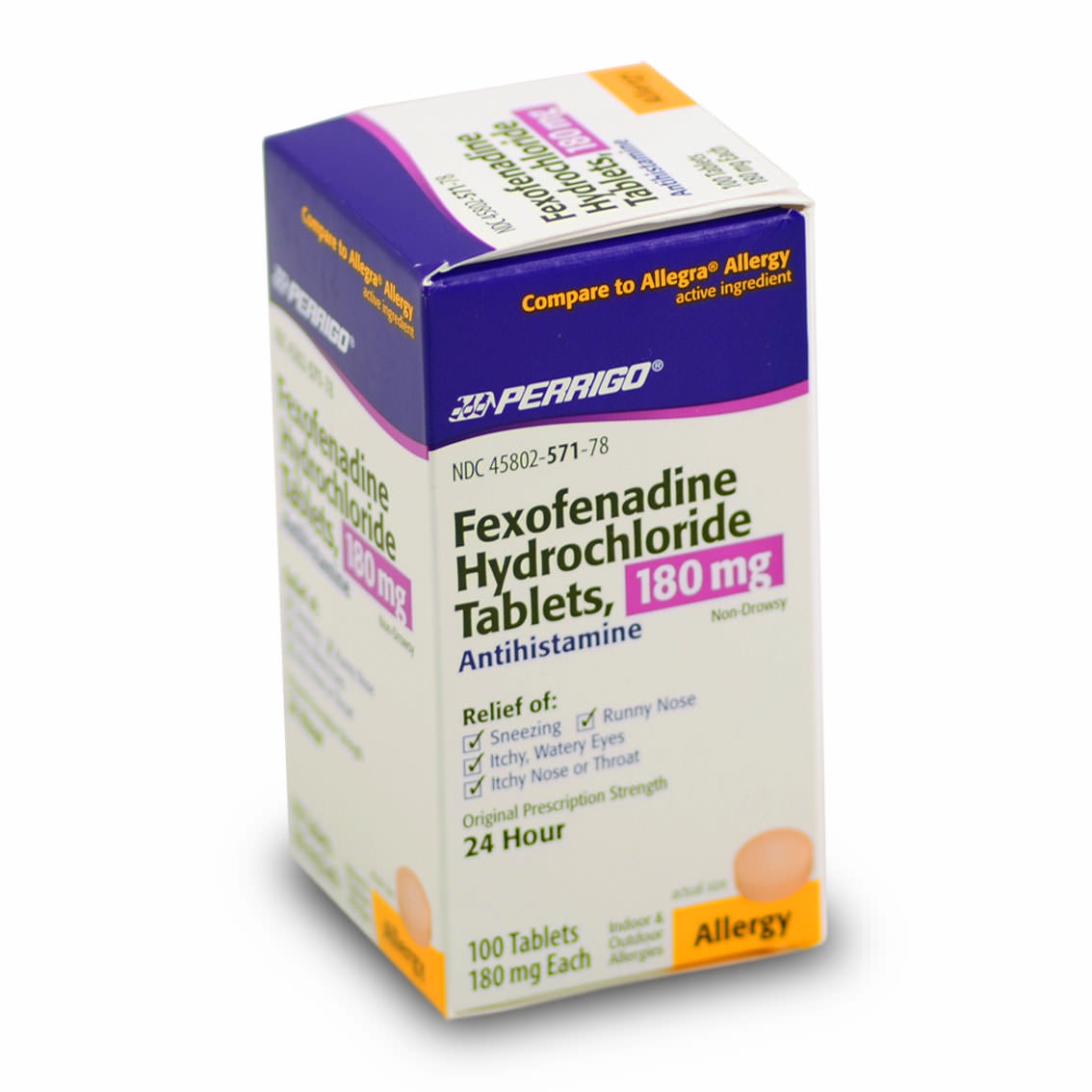 Dosage Information in more detail What happens if I miss a dose? Allegra oral suspension, a white uniform suspension, contains 6 mg fexofenadine hydrochloride per mL and the following excipients: Do not take Allegra with fruit juice such as apple, orange, or allegra. A dose of 5 mL of Allegra oral suspension containing 30 mg of fexofenadine hydrochloride is bioequivalent to a 30 mg dose of Allegra tablets. Fexofenadine hydrochloride was absorbed following single-dose oral administration of 180mg ODT 30 mg to healthy adult subjects with a mean time to maximum plasma concentration occurring at approximately 2. Do not push a tablet through the foil or you may damage the 60mg. Overdose symptoms may include dry mouth, dizziness, or drowsiness. For Allegra oral suspension: Shake the oral suspension liquid well just before you measure a dose.