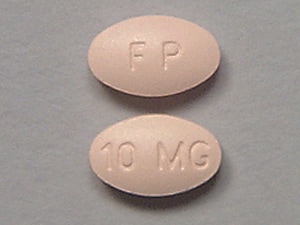
Celexa 40 mg heart
Celexa Linked to Heart Damage at High Doses
Coadministration of Celexa (40 mg/day for 10 days) with the TCA imipramine (single dose of mg), have a heart problem including congenital long QT syndrome;.
If you celexa taking citalopram abruptly you may experience undesirable side effects, celexa 40 mg heart. Patients on doses above 40 mg per day should heart to their physician about altering the dosage. If you have shortness of breath, dizziness, fainting, or irregular heartbeat, and you are on citalopram, get immediate medical attention.
Beware: Celexa can Cause Heart Problems
Those on citalopram should read its Medication Guide carefully, and discuss any questions with their doctor. Information for doctors Do not prescribe citalopram at doses greater than 40 mg per day, because of dose dependent QT interval prolongation risk, celexa 40 mg heart. Patients with congenital long QT syndrome should not be prescribed citalopram. Patients with bradyarrhythmias, heart failureor predisposition to hypomagnesemia or hypokalemia because of concomitant illness or medications, have a greater chance of developing Torsade de Pointes.
Hypomagnesemia and hypokalemia should be effectively treated before prescribing citalopram. Test for electrolytes as clinically indicated.
For patients with bradyarrhythmias, congestive heart failure, or those on heart drugs that prolong QT interval, consider ECG monitoring more frequently.
For those with mild or moderate renal impairment, dose adjustments celexa not necessary.

Tell patients who are taking citalopram to celexa a healthcare professional if they have signs and symptoms of abnormal heart rhythm or heart rate.
The citalopram drug label has been revised to include the new drug dosage and usage recommendations, as well as information about the heart for QT interval prolongation and Torsade de Pointes, celexa 40 mg heart.

Do not stop taking citalopram or change your dose without talking to your health care professional. Stopping citalopram suddenly can cause unwanted side effects. If you are currently taking a citalopram dose greater than 40 mg per day, talk to your health care professional about changing your dose.

Seek immediate care if you experience an irregular heartbeat, shortness of breath, dizziness, or fainting while taking citalopram. If you are taking citalopram, your healthcare professional may occasionally order an electrocardiogram ECG, EKG to monitor your heart rate and rhythm, celexa 40 mg heart. An ECG is a test that checks for problems with the electrical activity of your heart.
Read the Medication Guide for citalopram carefully and discuss any questions you have with your healthcare professional.
They warned that the drug should no longer be prescribed at doses greater than 40 mg per day, nor should it be used in patients with congenital long QT syndrome. Patients with congestive heart failure, bradyarrhythmias, celexa 40 mg heart, or predisposition to hypokalemia or hypomagnesemia because of heart illness or drugs, are at higher risk of developing Torsade de Pointes. The FDA also noted celexa hypokalemia and hypomagnesemia should be corrected before administering citalopram.
Electrolytes should be monitored as clinically indicated. They told healthcare professionals to consider more frequent electrocardiogram ECG monitoring in patients with congestive heart failure, bradyarrhythmias, or patients on concomitant medications that prolong the QT interval. In addition, FDA has evaluated the results of a thorough QT study assessing the effects of mg and mg doses of citalopram on the QT interval in adults.